
Retail Test and Learn
Learn how retailers use in store testing for better decision making
To be competitive in today’s retail environment, retailers need to adopt the same A/B testing that they do online in their stores. Learn more about how retailers are currently testing and how to build a testing program that can give you a competitive advantage.
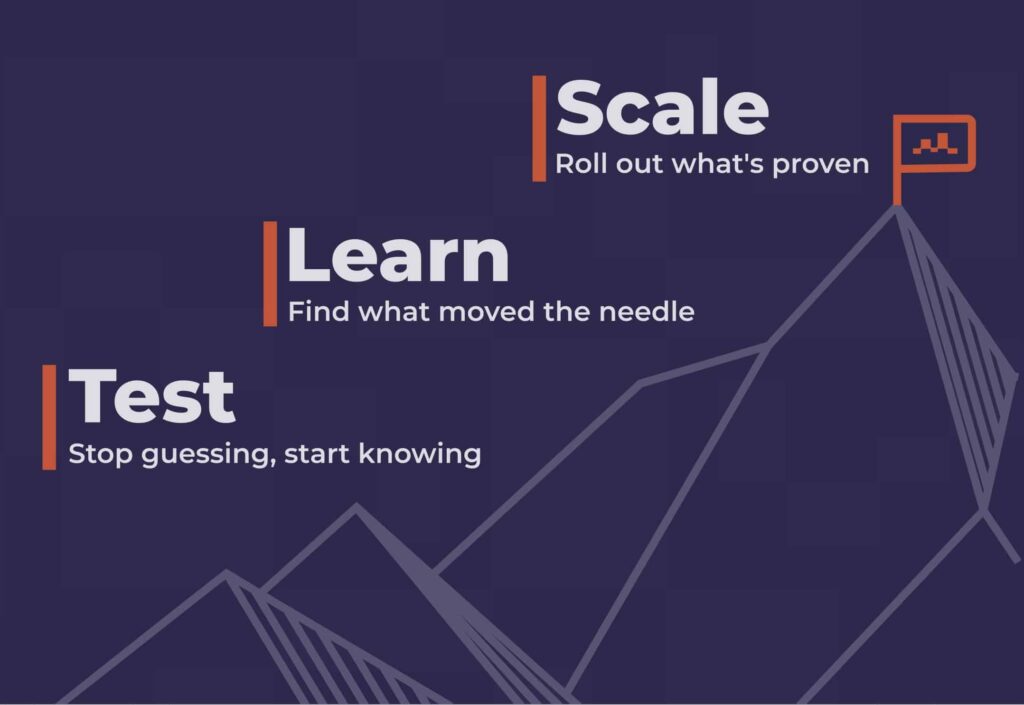
Test and learn education center
From beginner topics to implementation discussions, take some time to learn about the intricacies of test and learn in retail. MarketDial’s decade of experience providing test and learn to some of the largest retailers in the world give us unparalleled insight into the history and trends of testing in stores.

Foundation
What Is Test and Learn?
Test and learn is a structured approach to decision-making that involves running controlled experiments, measuring results, and using that data to inform what happens next.

Foundation
History of Test and Learn in Retail
Test and learn — the structured, evidence-based approach to retail decision-making that the industry now treats as best practice — has roots that go back further than most people realize.
Foundation
Why Retailers Test
The business case for testing is not complicated. It comes down to three things: reducing the cost of being wrong, increasing the value of being right, and building an organizational capability that compounds over time.
Foundation
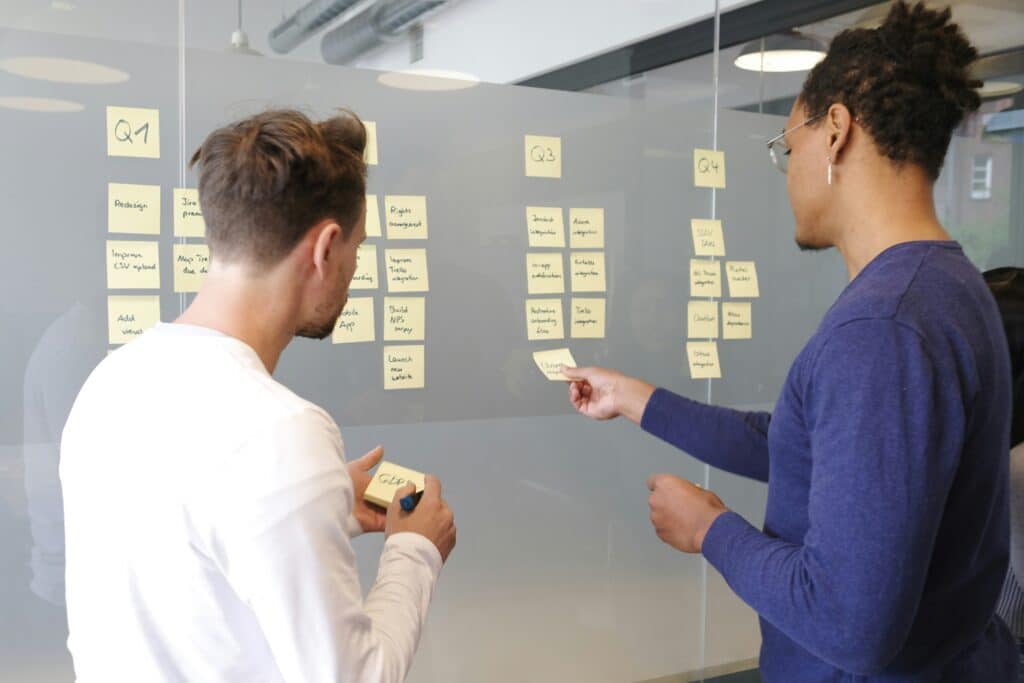
The Test and Learn Mindset
An experimentation culture is not one where everyone runs tests all the time. It is one where the default question before a major decision is “how could we test this?”

Foundation
Test and Learn Glossary: Beginner
When starting out with a test and learn program, making sure everyone is speaking the same language is imperative. Start here for beginner test and learn terms

Foundation
Test and Learn Glossary: Advanced
If you are looking to get deeper into statistics and test modeling, this is a great place to learn more advanced test and learn terms.

Test Design
How to Write a Test Hypothesis
This article covers: what makes one work, the format to use, retail examples across different contexts, and the most common mistakes that undermine hypothesis quality before a test even begins.

Test Design
Choosing What to Test
This article covers: where test ideas come from, how to build a structured backlog, how to score and prioritize competing ideas, and how to align your testing pipeline to the things your business actually needs to figure out.

Test Design
Control vs. Test Groups
This article explains what control and test groups are, why both are essential, how to construct them properly in a retail context, and what goes wrong when the design breaks down.

Test Design
How to Select Your Test Stores
This article covers everything you need to select test stores and markets properly, avoid the most common sources of bias, and build the foundation for experiments you can actually act on.

Test Design
How Long Should Your Test Run?
This article explains why duration matters, what determines the right length for any given test, and what goes wrong when the discipline to run a test to completion breaks down.

Statistics
Statistics for Non-Statisticians
This article covers the core statistical concepts every retail merchant, operator, and leader needs to understand to participate fully in test and learn conversations — not to become a statistician, but to ask better questions, interpret results more honestly.

Statistics
What is Statistical Significance
This article explains what statistical significance actually is, what it tells you and what it does not, how confidence levels work in a retail context, and the most important distinctions that separate a result worth acting on from a result that has simply passed a statistical threshold.

Statistics
Sample Size: How Much Data Do You Need?
This article explains what determines the right sample size for a retail experiment, what happens when you get it wrong in either direction, and how to calculate what you actually need before the test begins rather than hoping the results justify the design after the fact.

Statistics
Understanding P-Values
This article explains what a p-value actually is, what question it is answering, what it does not tell you, how to use it correctly in a retail context, and the most common misinterpretations that lead otherwise rigorous organizations astray.

Statistics
Measuring Incrementality
This article covers what incrementality means in retail, how it differs from total lift, how cannibalization and halo effects complicate the measurement, and how to communicate incremental results to the stakeholders who will use them to make rollout decisions.

Running Tests
A/B Testing In Retail
This article is a practical, step-by-step guide to running A/B tests in a retail context — covering what A/B testing is and is not, how it differs between physical stores and digital channels, how to set one up from scratch, and how to read and share the results in a way that actually drives decisions.

Running Tests
Multivariate testing
This article covers what multivariate testing is, how it differs from A/B testing, when it is the right tool for a retail experiment, how interaction effects work and why they matter, and the complexity traps that cause well-intentioned MVT programs to collapse under their own weight.

Running Tests
In-Store Testing vs. Digital Testing
This article is a side-by-side examination of how in-store and digital testing differ in practice — and what those differences mean for how retailers who operate in both channels should design, execute, and integrate their experimentation programs.

Running Tests
How to Test a Promotion or Pricing Change
This article covers everything you need to design, execute, and analyze promotional and pricing tests rigorously — from structuring the hypothesis correctly to avoiding the most common measurement errors that cause retailers to consistently overstate the ROI of their promotional investments.

Running Tests
Seasonal and Timing in Retail Tests
This article covers the seasonal and timing risks that matter most in retail experimentation — from the holiday testing problem to day-of-week effects to the discipline of annual test calendar planning — and gives you the practical framework to design tests that are protected from the most common timing failures.

Results
How to Read Your Test Results
This article covers the specific cognitive traps that most commonly distort how retail test results get read and acted on — and the structural practices that protect against them.

Results
When to Call a Test
Understanding when to hold, when to stop early, and when to stop for the right reasons is one of the most practically important disciplines in retail test and learn.

Results
Scaling a Winning Test
The path from a positive test result to a successful fleet-wide rollout is not automatic, even when the evidence is strong. It requires a specific sequence of decisions and actions that many organizations either compress, skip, or treat as administrative rather than strategic.
Results
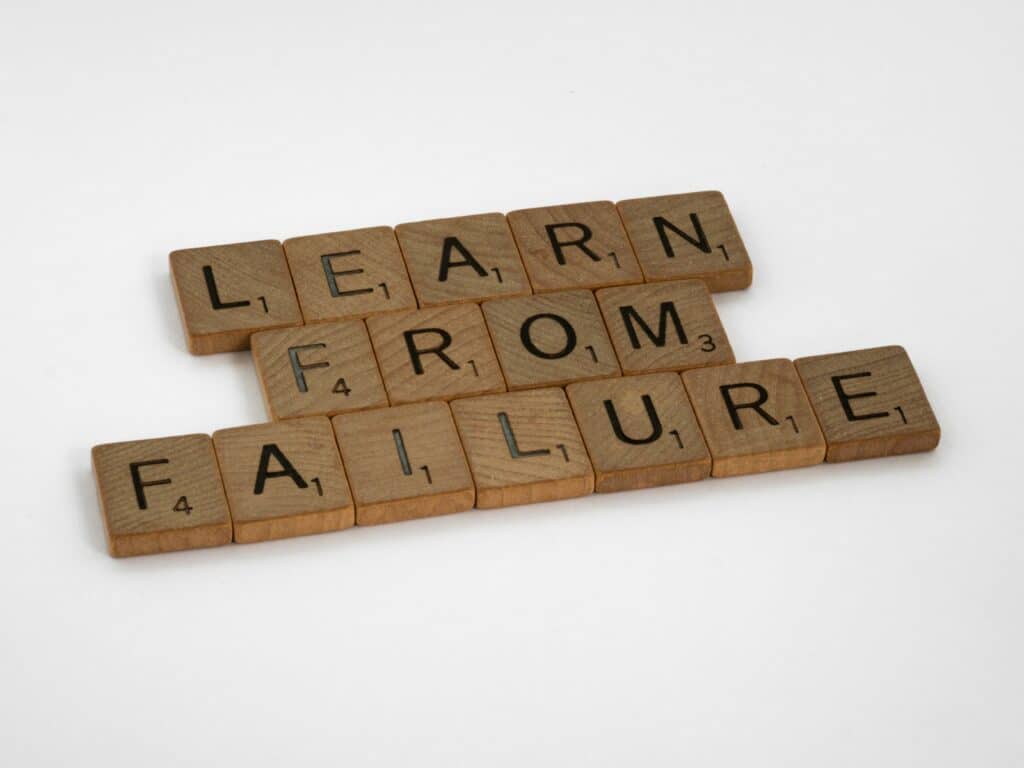
Learning From Failed Tests
A negative result from a well-designed test is not a failure. It is the system working exactly as it should. It is the organization learning — definitively, at limited cost — that a specific change does not produce the effect it was designed to produce, or does not produce it at the scale or consistency required to justify rollout.

Strategy
Building a Test and Learn Roadmap
A test and learn roadmap is the strategic structure that connects all of those components into a continuous, organizational capability — one that does not run experiments occasionally, when a particularly important decision arises, but that runs experiments continuously, as the primary mechanism by which the organization makes decisions and builds knowledge.

Industry
Test and Learn in Convenience Stores
This article covers what makes the convenience store format distinctively interesting as a testing environment, what types of tests produce the most reliable and commercially significant results, and what design challenges are unique to the format that require specific adaptations to standard test and learn methodology.